
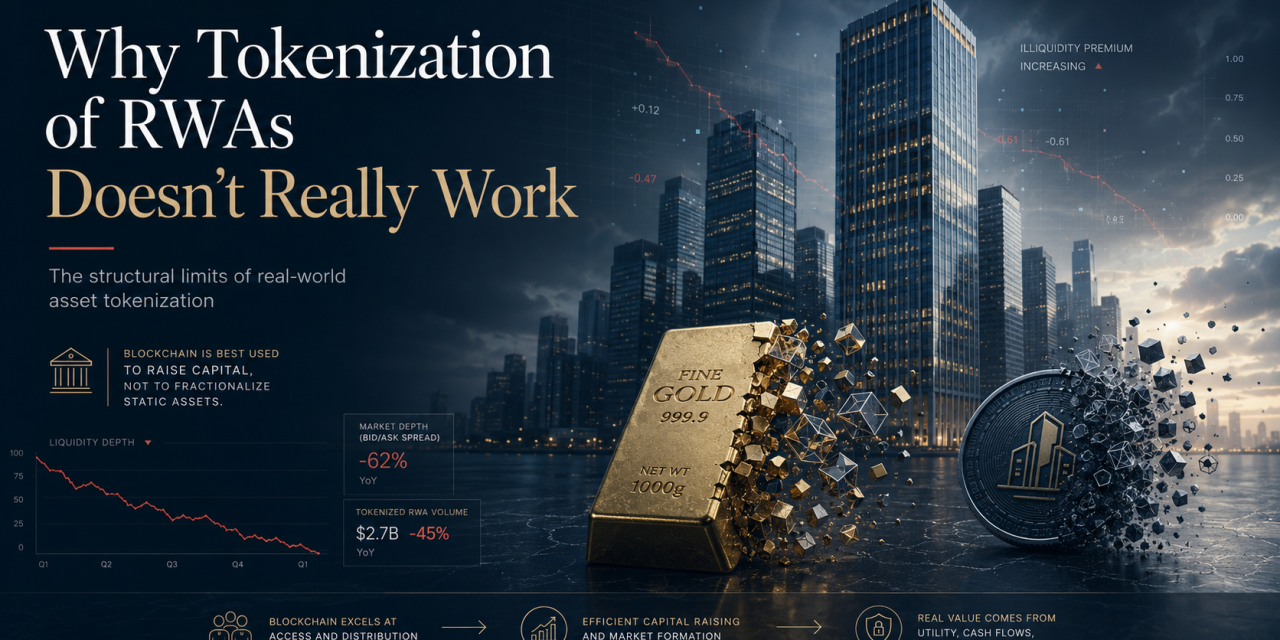
Revolutionizing Asset Ownership
Unlock the Future of Investment with Tokenized Real-World Assets
Explore how tokenization is transforming traditional asset management by offering unprecedented access, liquidity, and transparency.

Understanding Tokenized Real-World Assets
Key Features of Tokenized Real-World Assets

Fractional Ownership
Tokenization enables investors to own a fraction of high-value assets, making it easier to diversify portfolios and access previously unattainable investment opportunities.
Enhanced Liquidity
By converting assets into digital tokens, tokenization facilitates easier trading and transferability, significantly boosting liquidity compared to traditional asset markets.
Increased Transparency
Blockchain technology ensures all transactions are recorded on an immutable ledger, providing unparalleled transparency and reducing the risk of fraud.
Unlocking Investment Potential
Benefits of Tokenizing Real-World Assets
Tokenizing real-world assets offers numerous advantages for both investors and businesses. For investors, it provides increased liquidity, allowing them to buy and sell fractional ownership of assets with ease. This democratization of investment opportunities means that a broader audience can access high-value assets, traditionally reserved for institutional investors. Businesses benefit from enhanced transparency and security, as blockchain technology ensures all transactions are immutable and verifiable. Additionally, tokenization can reduce costs associated with asset management and transfer, streamlining operations and opening up new revenue streams.
Navigating the Complexities
Despite its potential, tokenizing real-world assets comes with challenges. Regulatory uncertainty is a significant hurdle, as different jurisdictions have varying laws regarding digital assets. This can complicate compliance and limit market access. Additionally, the technology itself, while promising, is still evolving, which can pose risks related to security and scalability. There is also the challenge of market acceptance; traditional investors may be hesitant to adopt new technologies, preferring familiar investment vehicles. Addressing these challenges requires collaboration between regulators, technology developers, and market participants to create a robust and secure ecosystem.
Another challenge is the valuation of tokenized assets. Determining the fair market value of a tokenized asset can be complex, especially when dealing with illiquid or unique assets. This can lead to discrepancies and disputes among stakeholders. Furthermore, the integration of tokenized assets into existing financial systems poses operational challenges, requiring significant changes in infrastructure and processes. Finally, the risk of technological obsolescence is a concern, as rapid advancements in blockchain technology may render current solutions outdated, necessitating continuous innovation and adaptation.
Investor education is also crucial, as the concept of tokenized assets is still relatively new. Without proper understanding, investors may be vulnerable to misinformation and fraud. Building trust in the market is essential, and this can be achieved through transparent communication and the establishment of industry standards. Additionally, the interoperability of different blockchain platforms is a technical challenge that needs to be addressed to ensure seamless transactions across various networks. Overcoming these challenges is vital for the widespread adoption and success of tokenized real-world assets.
Real-World Success Stories
Case Studies of Asset Tokenization
Several real-world examples highlight the successful implementation of asset tokenization. One notable case is the tokenization of real estate properties, where platforms have enabled fractional ownership of high-value properties, making real estate investment accessible to a broader audience. This has not only increased liquidity in the real estate market but also provided investors with diversified portfolios. Another example is the tokenization of fine art, where digital tokens represent ownership of artworks, allowing art enthusiasts to invest in pieces they might not afford outright. This has opened up the art market to new investors and provided artists with alternative funding sources.
Conclusion: The Future of Tokenized Real-World Assets
Throughout this article, we’ve explored how tokenized real-world assets are revolutionizing the investment landscape by enhancing liquidity, transparency, and accessibility. These digital tokens are bridging the gap between traditional finance and the burgeoning world of blockchain technology, offering investors new opportunities to diversify their portfolios.
Looking ahead, the potential for growth in this sector is immense. As regulatory frameworks evolve and technology advances, tokenized assets are poised to become a mainstream component of global financial markets. Investors and institutions alike should prepare for a future where digital tokens represent a significant portion of asset management strategies.
Join the Conversation on Tokenization
We invite you to share your thoughts on the transformative power of tokenized real-world assets. Your insights are invaluable in shaping the future discourse on this exciting topic. Subscribe to our newsletter for more in-depth articles and updates on the latest trends in tokenization and investment strategies.


